

Kathmandu
Inam Sapkota, who is currently in police custody, has accused police of blindfolding him, taking him to an undisclosed location and pressuring him to provide evidence and statements against prominent political leaders, businesspeople and judges.
Inam has alleged that police forced him to read a prepared document, secretly recorded his voice and later released edited versions of the recording as leaked audio.
His wife, Kabita Pandey, filed a five-page complaint on his behalf at the National Human Rights Commission on Friday. Inam has asked the commission to investigate the alleged mistreatment and protect the lives and personal safety of both him and his family.
A source at the commission confirmed that the complaint had been registered. The commission is expected to examine whether Inam’s fundamental rights were protected while he was in custody.
Arrested inside the airport, Inam claims
According to the complaint, Inam was arrested on Asoj 14 while travelling to New Delhi, India.
He claimed that police detained him after he had collected his boarding pass and reached the final security checkpoint at Tribhuvan International Airport. Officers allegedly took his two mobile phones, placed him in a vehicle and covered his eyes with a black cloth before taking him to an unknown location.
Inam said he was not told where he had been kept until the evening of Asoj 15. He also claimed police did not explain the reason for his arrest and ignored his requests to inform his family.
Pressure to speak against prominent figures
Inam alleged that officers questioned him about several people from Nepal’s political, judicial and business sectors.
According to the complaint, he was pressured to provide evidence and statements against former chief justice Cholendra Shumsher Rana, Rana’s brother and son, Nepali Congress President Gagan Thapa, Congress leader and businessman Umesh Shrestha, Bhat-Bhateni Supermarket owner Min Bahadur Gurung, Himalayan Hotel’s Nabin Tuladhar and several Supreme Court judges.
Inam claimed he was told that he would be released if he gave statements against them. He alleged that officers threatened to keep him in prison for a long time and create problems for his family if he refused.
He said some of the named individuals were his acquaintances or teachers, while he did not personally know some of the others. He maintained that he could not make allegations against anyone without information or evidence.
‘Police made me read a prepared document’
After he refused to testify against the named individuals, police allegedly asked him to read a document they had already prepared.
Inam claimed officers lifted the blindfold from one of his eyes and instructed him to read the material slowly and loudly. He alleged that they repeatedly stopped him and asked him to read certain parts again.
After he finished reading, police reportedly presented another document and asked him to sign it. Inam said he refused because it contained claims about matters he neither knew about nor had been involved in.
He claimed police then covered his eyes again, placed dark glasses over the blindfold and moved him to another location. He said he only realised that he had been taken to the Kathmandu District Police Range at Bhadrakali after the blindfold was removed.
Leaked recordings allegedly created from the reading
Inam has claimed that recently released audio recordings concerning the Nepali Congress legitimacy dispute and alleged dealings with Supreme Court judges came from the material police forced him to read.
He alleged that police secretly recorded his voice and later edited the recording before releasing it publicly.
Inam said police later played the audio to him and questioned whether the voice was his. He reportedly told investigators that the voice sounded like his, but he did not remember making the statements heard in the recordings.
He expressed concern that material allegedly obtained through pressure and mistreatment was being used as evidence to bring false cases against him and other individuals.
Questions over access to his mobile phones
Inam also alleged that the two phones taken from him at the airport were handed to unauthorised individuals for two days.
He suspects that the devices were manipulated while he remained in police custody and that fabricated evidence may have been added to them. He also claimed he had been informed by relatives and lawyers that AI-generated documents could have been presented as evidence.
He has requested an independent forensic examination of his phones and all digital materials allegedly recovered from them.
Dispute over foreign currency and seizure documents
Inam has also questioned the search conducted at his residence and the seizure document prepared by police.
He said the suitcases he had taken to the airport for his New Delhi trip were already in police possession. However, foreign currency kept inside one of those suitcases was allegedly recorded as having been recovered from his home.
According to Inam, he was carrying USD 1,300 and some Indian currency. His lawyers argued that the amount was within the limit Nepali citizens were legally permitted to carry.
He also alleged that police initially attempted to record an iPhone seized at the airport as an item recovered from his residence. The phone was removed from the seizure document after his relatives questioned how an item taken at the airport could have been found at home, he claimed.
Conflicting accounts of the arrest
Inam said police records claimed he was arrested on a public road outside the airport for allegedly behaving indecently toward members of the public.
He has denied the allegation and maintained that he was detained inside the airport at the final security checkpoint.
He has requested that CCTV footage, his boarding pass and other airport records be examined to establish where and when he was arrested.
Inam also alleged that after he rejected the misconduct accusation, police successively pursued cases related to foreign currency and money laundering to keep him in custody.
Complaint of a ‘media trial’
Inam has complained that he was publicly portrayed as a powerful “middleman” and “fixer” before any allegation against him had been proven.
He has asked the National Human Rights Commission to investigate officials and other individuals allegedly involved in leaking investigation materials, creating false evidence and damaging his reputation.
Inam has also requested protection for himself and his family, an investigation into his treatment in custody and legal action against anyone found responsible.
Police have yet to issue an official public response to the allegations contained in the complaint. Inam’s claims have not been independently verified.
Related stories
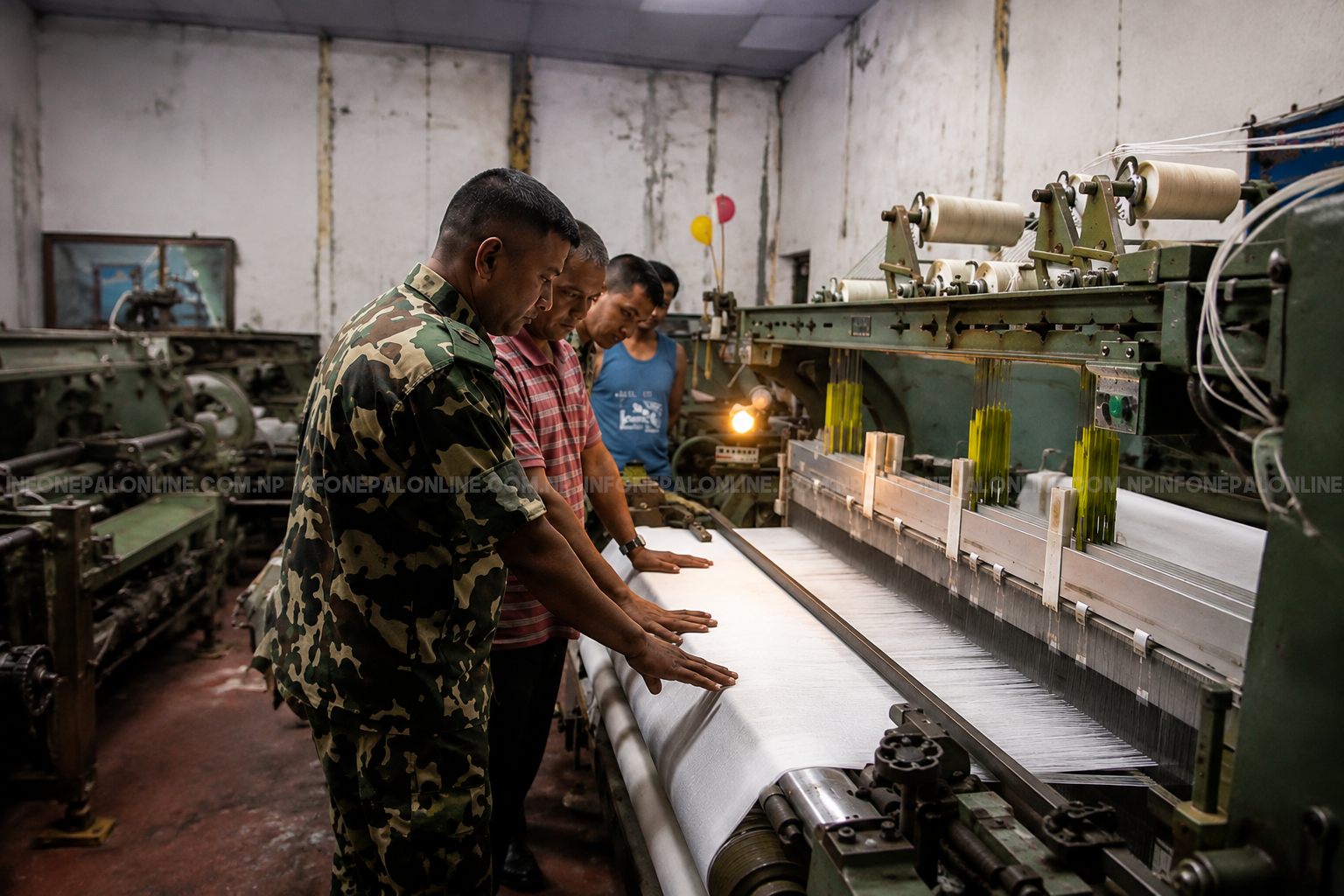
Hetauda Textile Industry Starts Trial Production on 20 Looms
Trial production has started at the long-closed Hetauda Textile Industry, with 20 looms currently being used to weave fabric. The government is also preparing to study whether the…
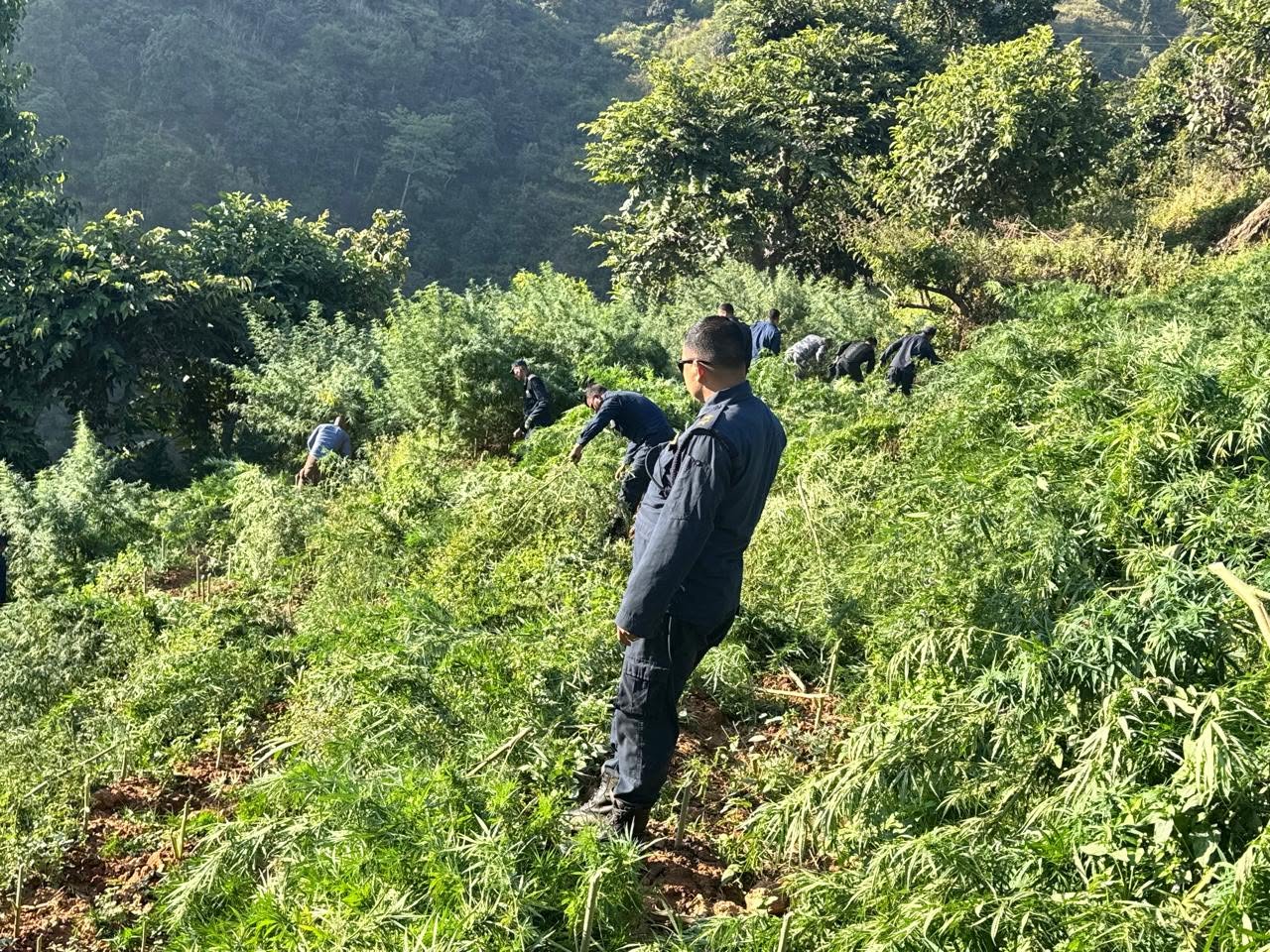
Police clear 5.6 hectares of cannabis across three districts in Nepal’s Bagmati Province
Police cleared cannabis crops from about 5.6 hectares of land in Makwanpur, Dhading and Sindhuli districts between Nov. 17 and 24, according to the Bagmati Province Police Office.…

Sonam Lhosar: Festival of Tamang
Different types of cultural festivals are celebrated in Nepal. Lhosar is one of them, and it is the new year of the Sherpa, Tamang, Gurung, Dura, Lepcha and Bhote communities. Ther…
Sanduk Ruit awarded with $1 million
Nepali Ophthalmologist Dr. Sanduk Ruit will be honored with an international prize of one million US dollars. Bahrain will be honored with the prestigious ISA Award. He is going to…