
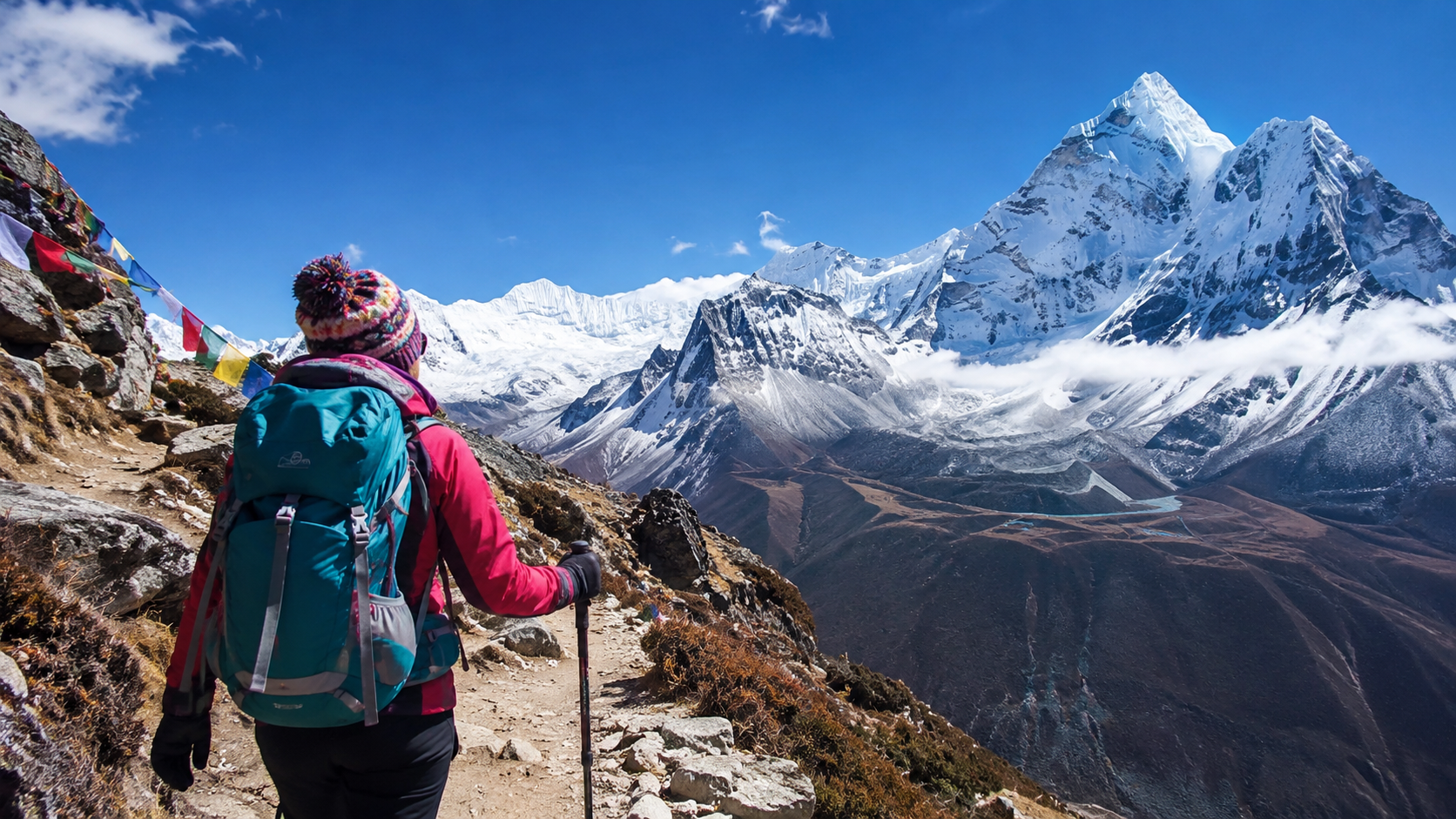
Kathmandu, Nepal — Planning a trek to Everest Base Camp, Annapurna Circuit or another Himalayan destination? Travel insurance is one of the most important things to arrange before your journey.
Nepal offers some of the world's most popular trekking routes. Every year, international visitors travel to the country to explore the Himalayas. However, trekking in remote mountain areas also involves risks.
Altitude sickness, sudden weather changes, injuries and flight cancellations can create unexpected problems.
A suitable travel insurance policy can help protect travellers from major expenses. But not every travel insurance plan covers high-altitude trekking or helicopter rescue.
Here is what visitors should know before buying travel insurance for trekking in Nepal.
Why Is Travel Insurance Important for Trekking in Nepal?
Many popular trekking destinations in Nepal are far from major hospitals and roads.
If someone becomes seriously ill or injured, reaching a medical facility may be difficult.
In some situations, a helicopter evacuation may be necessary. Such rescue operations can be expensive.
The Nepal Tourism Board advises trekkers to obtain comprehensive travel insurance covering emergency medical treatment and helicopter rescue.
The United Kingdom's official travel advice also recommends insurance that includes mountain rescue services and helicopter costs.
Insurance does not prevent accidents. However, an appropriate policy can reduce the financial burden when a covered emergency occurs.
What Should Nepal Trekking Travel Insurance Cover?
Before purchasing a policy, travellers should understand exactly what protection it provides.
The following types of coverage are particularly important.
Insurance Coverage | Why It Matters |
|---|---|
Emergency medical treatment | Helps pay for eligible treatment after illness or injury |
Helicopter evacuation | May cover emergency transport from remote mountain areas |
High-altitude trekking | Ensures the planned trekking altitude and activity are covered |
Search and rescue | May cover eligible rescue operations, depending on the policy |
Medical repatriation | Helps arrange an insured person's return home when medically necessary |
Trip cancellation | May reimburse certain prepaid expenses for covered reasons |
Travel delays | May cover eligible additional costs caused by delays |
Coverage differs between insurance companies.
Travellers should read the policy wording carefully instead of relying only on a short marketing description.
How Much Altitude Coverage Do You Need in Nepal?
Altitude limits are among the most important details in trekking insurance.
Some ordinary travel insurance plans exclude trekking above a specified elevation.
This can become a serious problem for visitors travelling to high mountain destinations.
For example, Everest Base Camp is located at approximately 5,364 metres above sea level. Many Everest Base Camp itineraries also include Kala Patthar, at approximately 5,545 metres.
The Annapurna Circuit crosses Thorong La Pass at approximately 5,416 metres.
A policy covering trekking only up to 4,000 metres would not cover the highest parts of these routes.
For many popular high-altitude treks, coverage up to at least 6,000 metres is a practical target.
However, travellers must also confirm that their policy covers their exact activities and route. An altitude limit alone does not guarantee protection.
Mountaineering, technical climbing and trekking peaks may require separate coverage.
Does Travel Insurance Cover Helicopter Rescue in Nepal?
Helicopter rescue is one of the main reasons trekkers purchase specialised insurance.
During a mountain emergency, a helicopter may be used to transport a patient to a hospital or another location where medical care is available.
However, rescue coverage is not automatic.
Some policies cover helicopter evacuation only when it is medically necessary and approved under the policy's conditions.
The US Department of State advises visitors to obtain emergency medical evacuation insurance before travelling to Nepal.
It also notes that helicopter companies may request insurance confirmation, payment approval or a credit card before providing assistance.
Travellers should therefore check the emergency assistance process before beginning a trek.
They should keep their insurance details and emergency contact numbers accessible.
Helicopter operations also depend on weather, aircraft availability and safety conditions. Insurance cannot guarantee that a helicopter will always be available.
How Much Does Travel Insurance for Nepal Cost?
There is no single fixed price for travel insurance covering trekking in Nepal.
The premium depends on several factors, including the traveller's age, country of residence, trip duration, destination, planned activities and insurance benefits.
A short sightseeing holiday in Kathmandu will usually have different insurance needs from a multi-week trek in the Everest region.
High-altitude trekking coverage may require an additional premium or a specialised policy.
Medical coverage limits, deductibles and cancellation protection can also affect the price.
Rather than choosing the cheapest plan, travellers should compare the benefits and exclusions.
An inexpensive policy can become costly if it does not cover the activities included in the trip.
How to Choose Travel Insurance for Nepal Trekking
Before buying a policy, travellers should follow these steps:
Confirm your route: Identify your destination, highest altitude and planned activities.
Check the altitude limit: Make sure the policy covers the highest point of the itinerary.
Verify helicopter rescue coverage: Ask whether emergency evacuation and associated costs are included.
Check medical expenses: Review the maximum medical benefit, deductibles and exclusions.
Review cancellation protection: Check whether flight delays, cancellations and interruptions are covered.
Understand the claims process: Ask how to contact emergency assistance and whether advance approval is necessary.
Get written confirmation: Request clarification from the insurer when policy terms are unclear.
Travellers should also check whether the policy covers pre-existing medical conditions and the specific adventure activities they plan to undertake.
Is Travel Insurance Mandatory for Trekking in Nepal?
Travel insurance is strongly recommended for trekking in Nepal, but visitors should not assume that one insurance rule applies to every type of trip.
Requirements can vary according to the activity, trekking operator, permit conditions and destination.
Mountaineering expeditions may have different requirements from ordinary trekking trips.
Some trekking companies also require clients to provide valid insurance details before departure.
Insurance is separate from trekking permits and the Trekkers' Information Management System (TIMS).
The Nepal Tourism Board states that licensed guides and agency-issued TIMS cards are required on specified trekking routes.
Travellers should verify the latest route-specific requirements with the Nepal Tourism Board and their registered trekking agency.
What Happens If You Get Sick During a Trek?
Altitude sickness is a major concern on Himalayan trekking routes.
It can affect travellers who ascend too quickly without allowing enough time for their bodies to adjust.
Symptoms can include headache, nausea, dizziness and unusual fatigue.
More serious altitude illness can become life-threatening.
The US Centers for Disease Control and Prevention recommends gradual ascent and proper acclimatisation.
Trekkers who develop symptoms should not continue ascending. They should inform their guide and seek appropriate medical advice. Severe symptoms may require urgent descent and emergency medical care.
If an emergency occurs, the guide or trekking agency can help coordinate assistance.
Travellers should contact their insurer's emergency support service as soon as practical. Essential medical care should not be delayed solely to complete insurance paperwork.
Does Ordinary Travel Insurance Cover Everest Base Camp?
Not always.
An ordinary travel insurance policy may cover common situations such as illness, lost baggage or certain flight cancellations.
However, high-altitude trekking and helicopter evacuation may be excluded.
A traveller visiting Everest Base Camp should check three important conditions.
First, the policy must cover trekking at the altitude reached during the trip.
Second, it should include emergency medical treatment and suitable evacuation benefits.
Third, the activities involved in the trek must not be excluded.
A policy advertised as worldwide travel insurance does not automatically cover every adventure activity.
Frequently Asked Questions
What is the best travel insurance for trekking in Nepal?
The best policy is one that matches the traveller's planned route, altitude, activities and medical needs. A suitable policy should provide clear medical and evacuation benefits, reasonable limits and accessible emergency assistance.
Do I need insurance for Everest Base Camp?
Comprehensive trekking insurance is strongly recommended. Travellers should verify high-altitude coverage and emergency helicopter evacuation before departure.
Is 5,000-metre insurance enough for Everest Base Camp?
No, not for a standard itinerary reaching Everest Base Camp at approximately 5,364 metres. Insurance should cover the highest point of the planned trip.
How much does helicopter rescue cost in Nepal?
There is no fixed amount for every rescue. Charges depend on the location, helicopter operator, flight requirements and other circumstances. Travellers should confirm the applicable insurance limits before travelling.
Can I buy trekking insurance after arriving in Nepal?
It depends on the insurance provider. Some policies must be purchased before departure, while others may allow eligible purchases after travel begins. Waiting periods and restrictions may apply.
Does trekking insurance cover altitude sickness?
Some policies cover eligible emergency treatment and evacuation related to altitude illness. However, coverage depends on the policy terms, altitude limits and exclusions.
Final Thoughts
Travel insurance is an important part of preparing for a Himalayan adventure.
Whether trekking to Everest Base Camp, Annapurna Circuit or another remote destination, travellers should review their insurance carefully.
The right policy should match the trip's altitude, activities and emergency medical needs.
Most importantly, travellers should confirm the terms before leaving home rather than discovering an exclusion during an emergency.
Official Sources and Further Information
Nepal Tourism Board: https://ntb.gov.np/
Nepal Tourism Board — Travel Insurance Advice: https://trade.ntb.gov.np/faqs/is-travel-insurance-necessary-to-go-trekking-in-nepal-2/
UK Government — Nepal Travel Advice: https://www.gov.uk/foreign-travel-advice/nepal/safety-and-security
US Department of State — Nepal Travel Advisory: https://travel.state.gov/en/international-travel/travel-advisories/nepal.html
US CDC — High-Altitude Travel and Altitude Illness: https://www.cdc.gov/yellow-book/hcp/environmental-hazards-risks/high-altitude-travel-and-altitude-illness.html
Info Nepal | Travel and Insurance Guide
Information reviewed: November 23, 2026. Insurance policy conditions and trekking regulations may change.
Related stories
Malika Dhuri: Sacred Hilltop with Himalayan Views Now a One-Day Trek in Myagdi
Introduction: Where Devotion Meets Nature — and Now, Accessibility Once hidden deep within the remote highlands of Nepal's Myagdi district, Malika Dhuri was a destination only for…
Best Places to Visit in Nepal During Summer Season
Nepal, known for its majestic Himalayas and rich culture, becomes an underrated gem during the summer (May–August). While the Terai plains may get hot and humid, the hilly and Hima…
Best Zipline and Paragliding Locations in Nepal
Introduction Nepal — the land of mountains, monasteries, and magic — has always attracted trekkers and nature lovers. But in the past few years, it has also become a dream destinat…
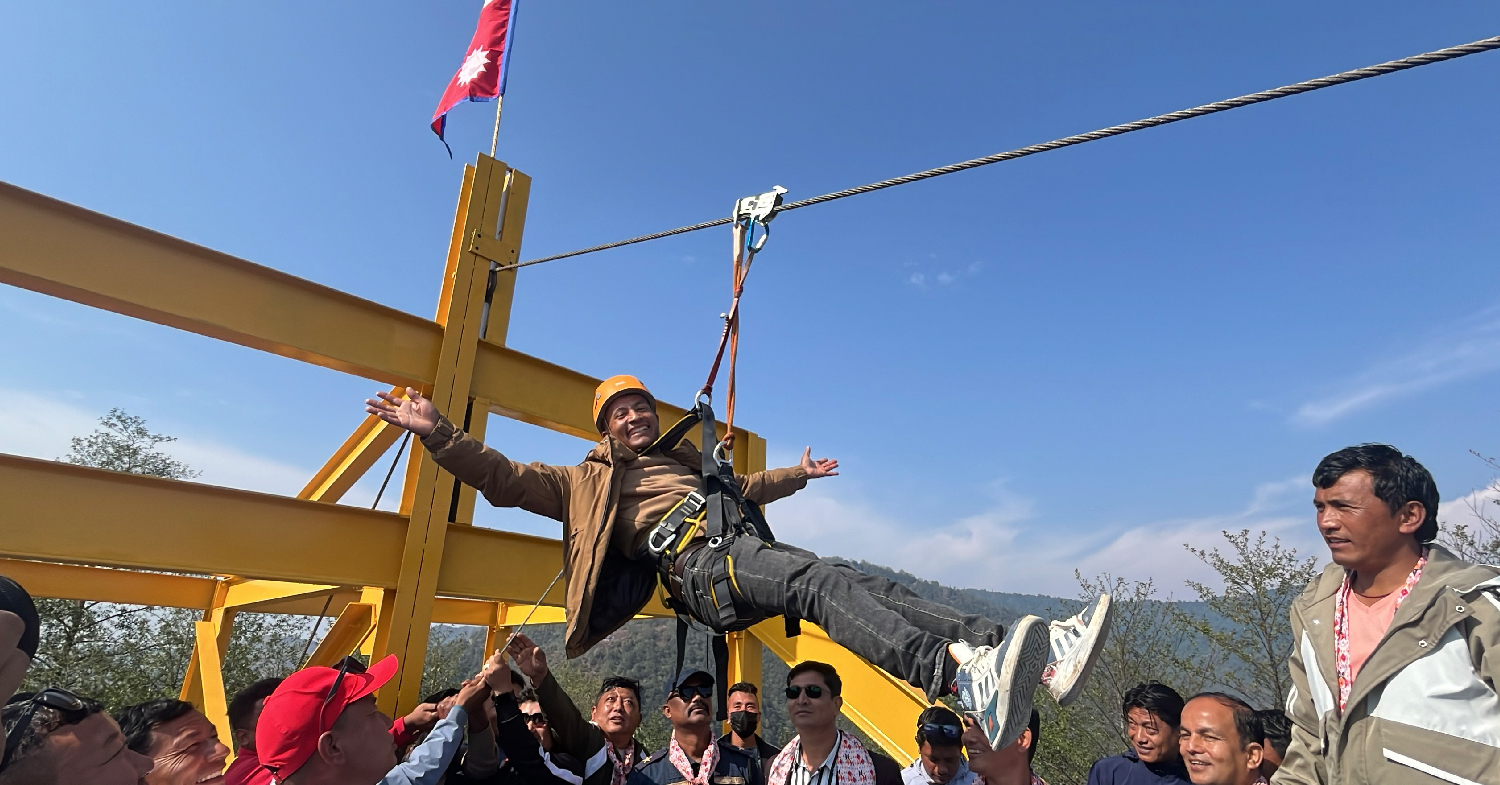
Baikuntha Awakens: How a Remote Tamang Village Is Becoming Nepal’s New Adventure Destination
The Bold Vision Behind a Quiet Hilltop Village Tucked in the rugged hills of Makwanpur’s Kailash Rural Municipality Ward No. 2, the village of Baikuntha is no longer just a peacefu…