
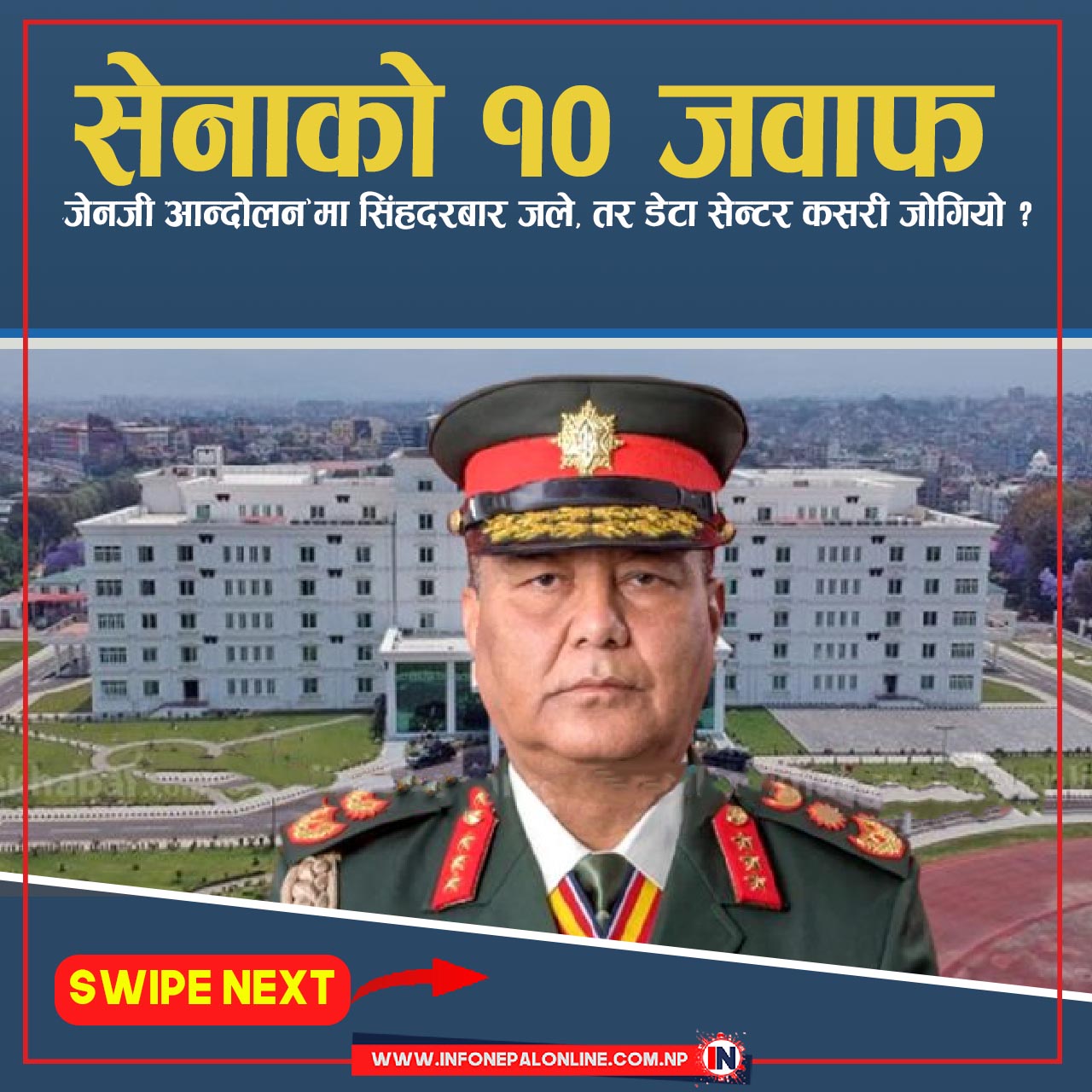
The two-day “Gen-Z Movement” on September 8 and 9 (Bhadra 23–24) stunned the entire nation. For a brief moment, the country felt on the brink of a breakdown of state authority. Nepal faced an unprecedented tragedy seventy-six young people, many of them students in school and college uniforms who had joined peaceful demonstrations, lost their lives.
Prime Minister K P Sharma Oli, despite his two-thirds majority, was forced to resign, while former Prime Minister Sher Bahadur Deuba and then Foreign Minister Arzu Rana came under attack at their own residences. Party offices, police posts, and private homes of several leaders were reduced to ashes.
When Singha Durbar, the Supreme Court, and the Parliament Building were set on fire, why did the Army Headquarters only a few hundred meters away remain silent? That question has echoed in the public mind for the past five weeks.
On Friday, the Nepal Army held a press conference, addressing these long-standing questions. Here are the army’s answers to the ten key questions that emerged after the Gen-Z uprising.
[gallery td_gallery_title_input="Five weeks after the Gen-Z protests, the Army breaks its silence" size="full" columns="1" td_select_gallery_slide="slide" ids="56712,56711,56710,56709,56708,56707,56706,56705,56704,56703,56702,56701"]Related stories
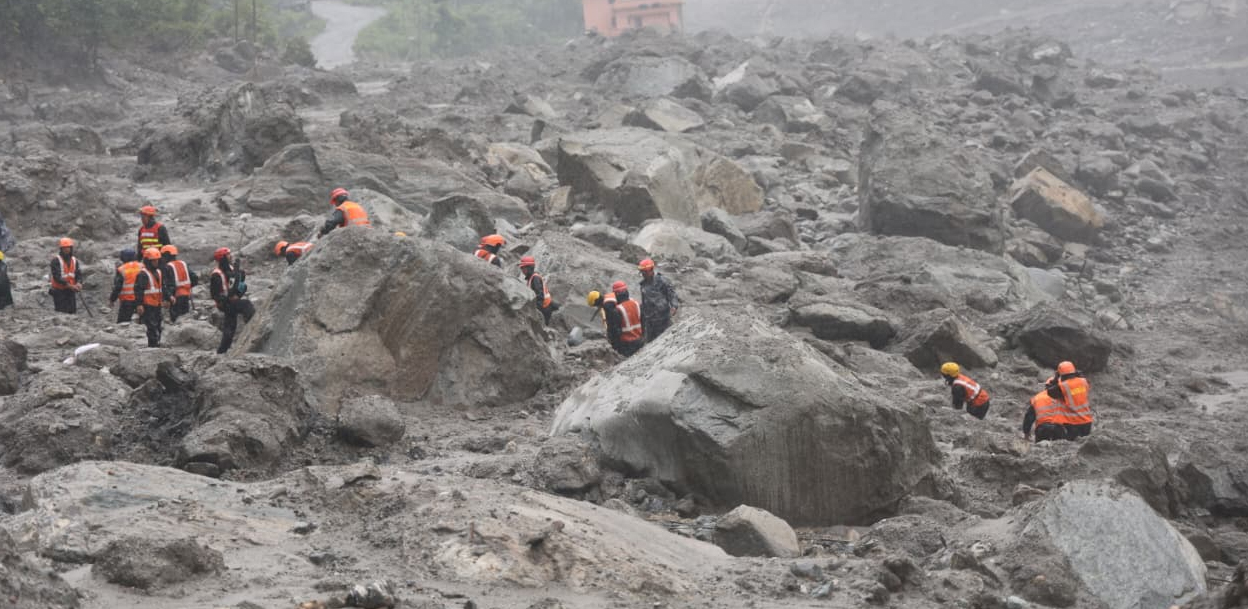
Nepal Flood 2026: Full Timeline Explained
KATHMANDU — At around 8:40 am on August 26, 2026, a destructive surge entered Nepal through the Bhote Koshi River in Rasuwa, carrying water, mud, rocks and other debris into the Tr…
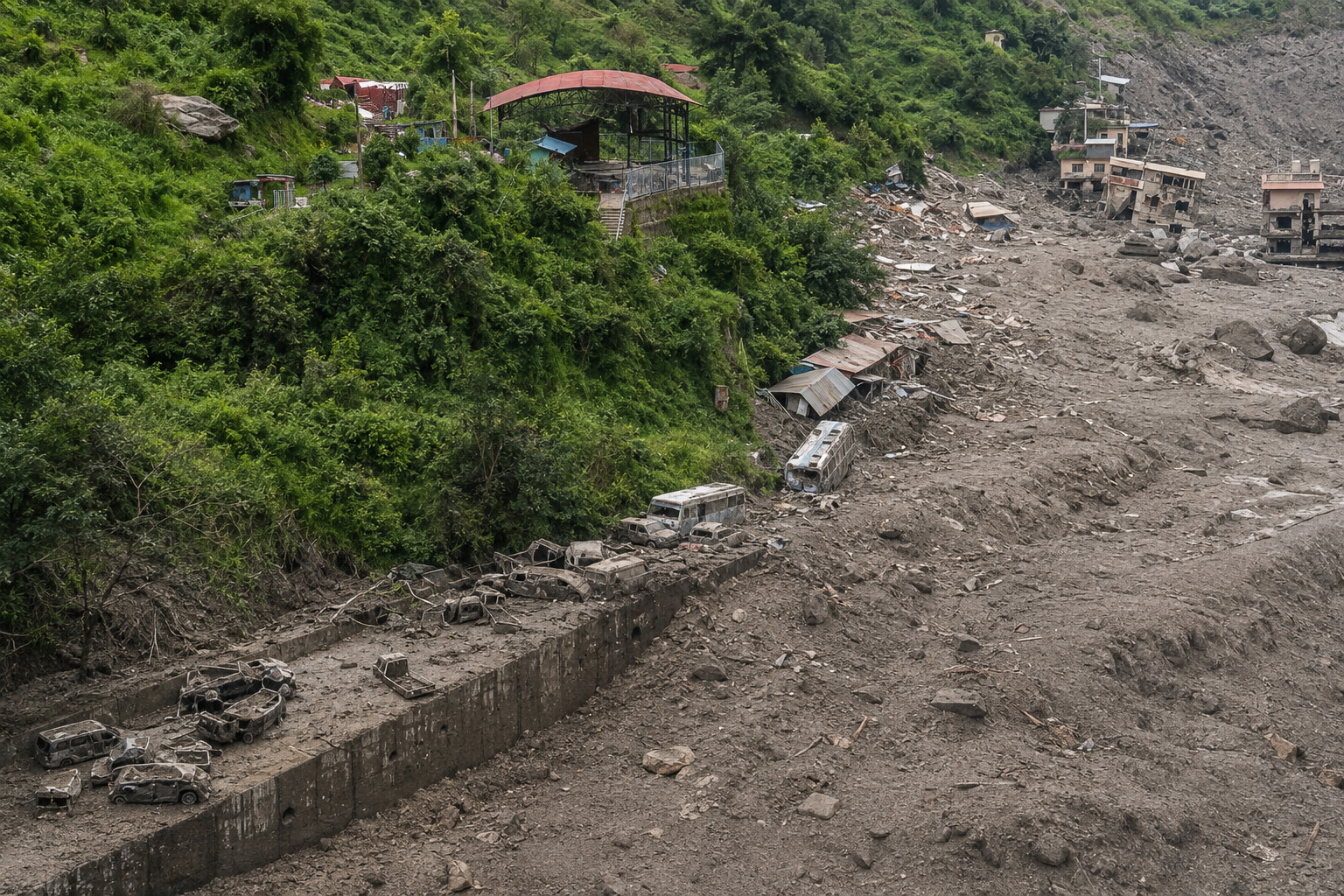
Bhote Koshi Flood Death Toll Reaches 669 in Nepal
Kathmandu | The death toll from the devastating flood that swept through the Bhote Koshi and Trishuli river systems has reached 669, Nepal Police said on Saturday. According to an…
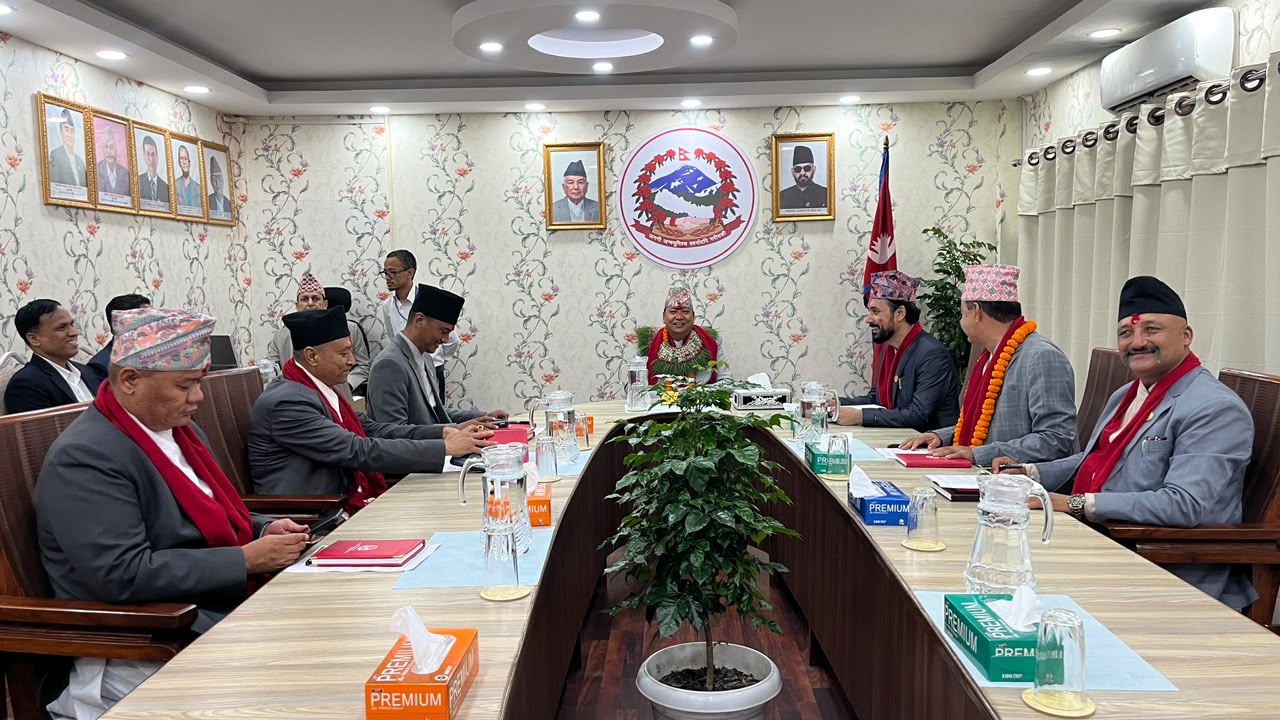
Bagmati Government Announces Rs 30 Million Flood Relief
HETAUDA | The Bagmati Province government has decided to immediately provide Rs 30 million to local disaster management funds for rescue and relief operations in districts affected…
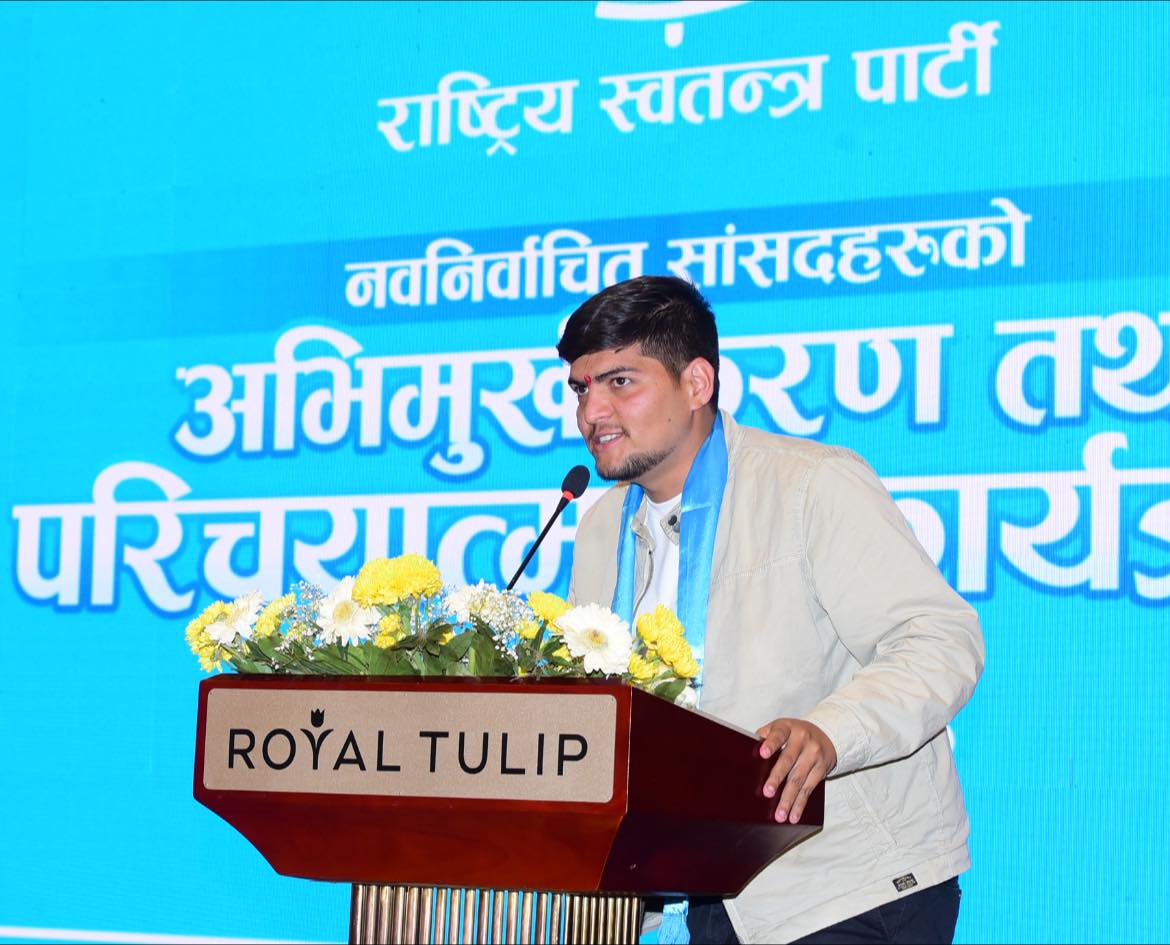
Nepal's Youngest Parliamentarian: The Story of Prashant Upreti
Hetauda | Not so many years ago, a 12-year-old boy could be seen sprinting through the lanes of Manahari in the early morning light, a bundle of newspapers tucked under his arm. De…